
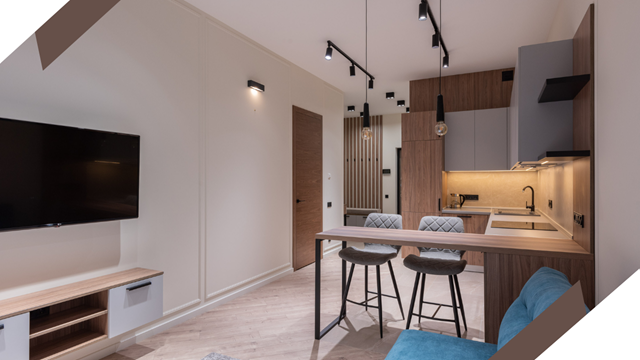
In today’s fast-paced urban life, many Indians are adopting minimalist and sustainable living to create homes that are both stylish and eco-friendly. Minimalism focuses on simplicity, functionality, and reducing clutter, while sustainability ensures that homes have a low environmental impact through the use of natural materials, energy efficiency, and mindful resource use.
Especially in India’s growing cities, these design principles help make the most of limited space while promoting a healthier lifestyle and planet. This article shares practical tips for designing minimalist apartments that embrace sustainability without compromising on comfort or aesthetics.
Use Natural and Local Materials
Opt for building and decor materials sourced locally such as bamboo, cane, jute, and reclaimed wood. These reduce carbon footprint and support traditional artisans. Use natural stone or terracotta tiles for floors to keep spaces cool naturally.
Maximize Natural Light and Ventilation
Design large windows and open layouts to improve daylight penetration and airflow, reducing the need for artificial lighting and air conditioning. Use light-colored walls and reflective surfaces to enhance brightness.
Incorporate Multi-Functional Furniture
Choose space-saving furniture like sofa beds, foldable tables, and storage ottomans. This helps keep clutter minimal and makes efficient use of limited urban spaces.
Implement Smart Storage Solutions
Built-in shelves, under-bed storage, and wall-mounted racks keep belongings organized without taking extra floor space. Minimalism is about reducing clutter, so effective storage is key.
Add Indoor Greenery
Include vertical gardens, hanging pots, and small planters with low-maintenance native plants to improve indoor air quality and add a natural aesthetic. Hydroponic systems can be used for kitchen herbs.
Energy-Efficient Fixtures and Appliances
Install LED lighting, energy-star rated fans, and appliances to save electricity. Use solar water heaters to reduce energy consumption for hot water needs.
Use Non-Toxic Paints and Finishes
Select VOC-free, water-based paints and natural finishes to maintain healthy indoor air and avoid harmful chemicals.
Create Open and Flexible Spaces
Design rooms to serve multiple purposes—living rooms that convert to workspaces or guest rooms. This supports changing needs without unnecessary additions.
Water Conservation Features
Install low-flow faucets, dual-flush toilets, and rainwater harvesting setups to minimize water usage.
Minimalist Color Palette and Decor
Stick to neutral or earthy tones and minimal decor objects to maintain calmness and simplicity. Focus on functional art or handcrafted pieces rather than excess ornamentation.
These tips help urban Indians create comfortable, stylish homes that align with the minimalist and sustainable lifestyle values growing in 2025, while respecting space and resource constraints common to city living.